
Weather in the Maldives: A Year‑Round Guide to Rasdhoo
When planning a diving trip to the Maldives, one of the most common concerns travelers have is the weather. Many people worry that rain will negatively affect their underwater experience, reduce visibility, or even cancel dives altogether. In reality, this is one of the biggest misconceptions about diving in the Maldives—especially around Rasdhoo Atoll.
In this article, we’ll take a detailed look at the weather in the Maldives throughout the year, with a specific focus on Rasdhoo. You’ll learn why rain is rarely an issue for diving visibility, what actually impacts dive conditions, and how to choose the best time to visit based on what really matters.

Understanding the Maldives Climate
The Maldives has a tropical climate that stays warm and humid year‑round. Average air temperatures range between 26°C and 31°C, while water temperatures stay consistently comfortable at 27–30°C. This makes the Maldives, a true year‑round diving destination.
Instead of four seasons, the Maldives experiences two main monsoon periods:
-
Northeast Monsoon (Dry Season): December to April
-
Southwest Monsoon (Wet Season): May to November
While these seasons do bring different weather patterns, they do not mean good or bad diving. In fact, some of the most exciting marine encounters happen during the so‑called “wet season.”
Rasdhoo Atoll: A Special Diving Location
Rasdhoo Atoll is located in the central Maldives and is famous for its channels, reefs, and pelagic encounters. It’s particularly well known for grey reef sharks, manta rays, reef sharks, and healthy coral systems.
Because Rasdhoo is surrounded by deep ocean channels, diving conditions here depend far more on wind and sea state than on rain. This distinction is crucial for understanding why rainy forecasts often don’t affect diving at all.
The Big Myth: Rain Ruins Diving
One of the most persistent myths about diving in the Maldives is that rain reduces underwater visibility. While this may be true in some coastal or shallow reef destinations around the world, it is generally not the case in Rasdhoo.
Why Rain Doesn’t Affect Visibility
-
Rain falls on the ocean surface and does not disturb deeper water layers where dives take place.
-
Rasdhoo’s reefs and channels are surrounded by deep, clear ocean water rather than sediment‑heavy coastal runoff.
-
There are no rivers or large land masses nearby to wash sediment into the sea.
As a result, even on rainy days, underwater visibility often remains between 20 and 40 meters. Many divers are surprised to surface from a crystal‑clear dive only to realize it was raining the entire time.
In fact, some of the most beautiful dives in Rasdhoo happen on overcast or rainy days, when light conditions create dramatic underwater colors and marine life is particularly active.
What Really Affects Diving Conditions: Wind
If there is one weather factor that truly influences diving in Rasdhoo, it’s wind, not rain.
How Wind Impacts Diving
-
Strong winds create rough surface conditions.
-
Rough seas make boat travel uncomfortable or unsafe.
-
Access to certain dive sites may be limited if channels become too choppy.
During periods of strong wind, dive centers may need to adjust schedules, choose more sheltered dive sites, or occasionally delay departures. This is why wind forecasts are far more important than rain forecasts when planning dives in the Maldives.
Weather in Rasdhoo Throughout the Year
December to April: Dry Season
This period is often considered the “high season” in the Maldives.
Conditions:
-
Less rainfall
-
Calmer seas
-
Light winds
Diving Experience:
-
Excellent visibility
-
Easy boat access to all dive sites
-
Great for beginners and advanced divers
This is an ideal time for those who prefer calm surface conditions and predictable weather.
May to August: Start of the Southwest Monsoon
Rainfall increases during these months, but it usually comes in short tropical showers rather than all‑day rain.
Conditions:
-
More frequent rain
-
Increased wind on some days
Diving Experience:
-
Visibility remains good
-
More plankton may attracts manta rays and whale sharks
-
Some days may be windier, affecting boat travel
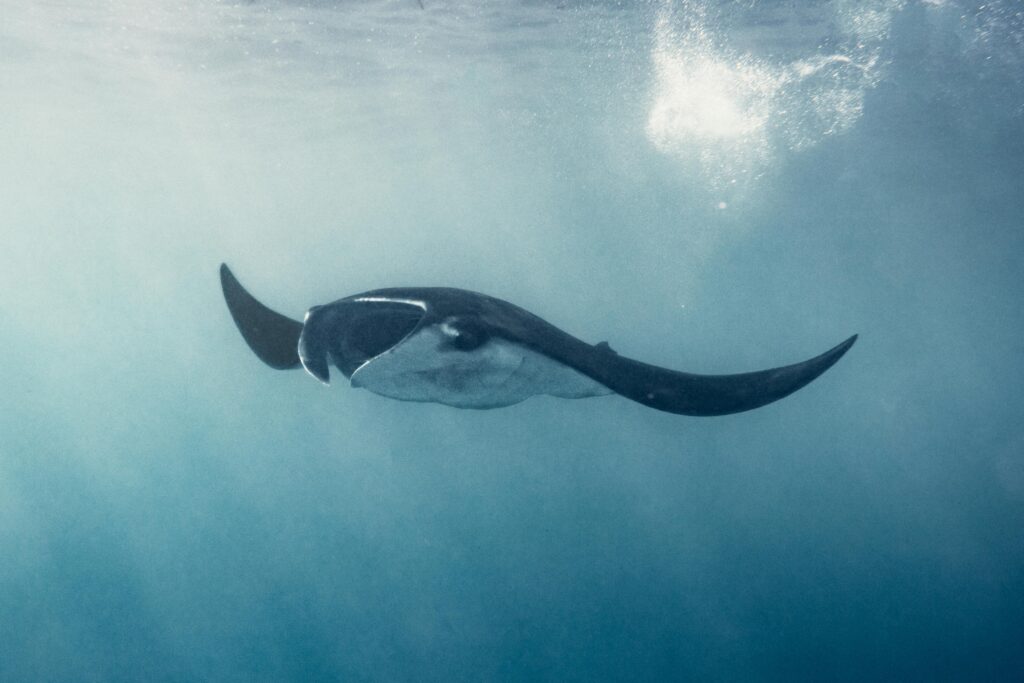
This season is particularly exciting for big marine life lovers. Although keep in mind that during that season, Manta move around the Maldives a lot. To understand mantas better have a look at our blog about them.
September to November: Transition Period
This is a dynamic and often underrated time to visit Rasdhoo.
Conditions:
-
Mixed weather patterns
-
Alternating calm and windy days
Diving Experience:
-
Fewer crowds
-
Strong marine life activity
-
Dive planning depends more on daily wind conditions
For flexible travelers, this period offers incredible value and rewarding dives.
Snorkeling and Rain: Even Less of an Issue
For snorkelers, rain is even less relevant. Snorkeling sessions often take place in protected lagoons or along reef edges, where visibility remains unaffected by surface weather. Many snorkelers actually enjoy rainy days for their calm, quiet atmosphere above and below the surface.
When Is the Best Time to Dive in Rasdhoo?
The honest answer: almost any time of year.
If you prioritize calm seas and easy logistics, December to April is ideal. If you’re seeking pelagic encounters and fewer tourists, the wetter months offer incredible opportunities. The key takeaway is that rain should never be a deciding factor when booking a dive trip to Rasdhoo.
Final Thoughts
Weather in the Maldives is often misunderstood, and rain is unfairly blamed for poor diving conditions. In Rasdhoo, rain rarely affects visibility or dive quality. Wind and sea state are the real factors that influence daily operations, and even then, experienced dive centers adapt by choosing the best sites for the conditions.
So if you see rain in the forecast while planning your trip to Rasdhoo, don’t panic. Chances are, you’ll still enjoy clear water, vibrant reefs, and unforgettable underwater encounters—sometimes even better than on a sunny day.
Rasdhoo truly is a year‑round diving destination, and understanding the weather will help you make the most of every dive, no matter the season. You can have a look at the best things to do in Rasdhoo before your trip here.